
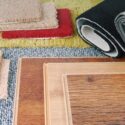
Choosing the right type of floor covering is far more complicated than looking for the best quality product available in the market. Flooring choices are plentiful. Thus, you need to consider several factors such as budget, moisture-resistance, room size, low maintenance requirements, to name a few. Finding the right floor covering will greatly rely on your assessment of these factors as this will help you narrow down your options. To guide you through the process of decision-making, we have created a list of questions to determine what floor covering is right for your home.
What is your budget?
Budget is always a factor when choosing the right floor covering. If you are on a tight, limited budget, there are still a wide array of cost-effective floor coverings available in the market these days. Some materials you can buy at a fraction of a price are vinyl planks, carpet tiles, or laminate flooring. These flooring options are fairly easy to install by yourself, which saves you installation and labor expenses.

If your budget is within a mid-price range, you can get a good variety of floor coverings such as carpets, tiles, or engineered wood. These options provide you a great balance of practicality and cost. However, having a generous budget will surely give you much access to high-quality products and best-qualified contractors. If you are planning to spend a little extra on your next flooring project, look for higher quality and long-lasting floor covering.
How big is your space?
Before you purchase any floor covering, make sure to measure your floor space. A key to a great design is to create an illusion of space, be it large or small areas. For a small individual space to appear larger, you can select large and wide-scale tiles or planks. Horizontal lines can draw your eye across the floor and add length to the room. For small spaces, you can install vinyl and glazed porcelain tiles, which are available in wide ranges of colors, sizes, and texture. On the other hand, you may want to consider dividing a larger space up into two types of floor covering. This is normally done to balance two areas out.
Which rooms are you considering?
The location and function of the room will have some impact on deciding which floor covering to install. There is specialized flooring for every type of room. For instance, carpet is not a good choice for the dining room or kitchen due to the proneness of spilled liquids and food. Solid wood, on the other hand, will not suit the basement and laundry rooms due to the moisture issues.
Will there be any moisture in the room or area?
Not all floor coverings are moisture resistant. Therefore, it is important to consider where the floor is being installed. Is it a high-moisture area like a bathroom, kitchen, or laundry room? If the answer is Yes, you need a floor covering that suits high- or medium-moisture areas such as engineered wood, ceramic, vinyl, or porcelain tiles. These flooring materials are impervious to moisture or humidity so they can create a non-slip surface. On the other hand, if moisture is not considered a limiting factor for you, then all other types of floor covering can be installed.
Do you want to install the floor covering by yourself?
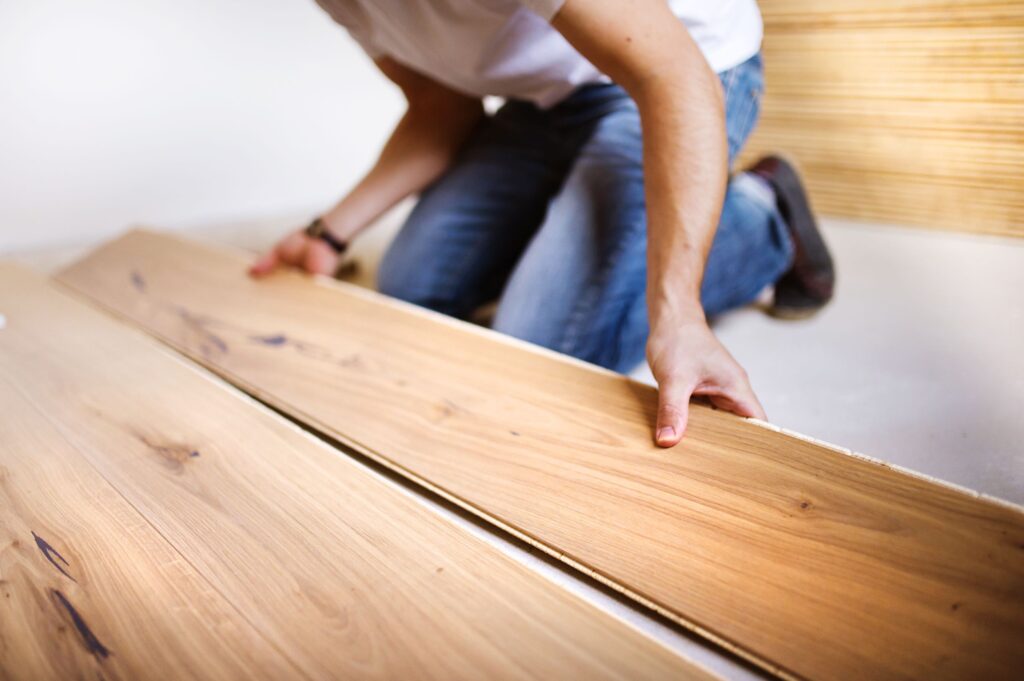
The decision to whether to install your floor covering by yourself or by a contractor depends on how labor-intensive the project is. Not all flooring options are for DIYers. If you plan to install it by yourself, you can opt for laminate floorings or vinyl planks. Both are floating floors, so each board connects not to the subfloor but an adjacent board. Though there is no harm in trying to install a floor covering, leaving the job to an experienced floor contractor could yield the best results.
Do you have children or pets at home?

Wear-resistant floor covering is a must if you have pets or children in your home. You need to find a durable and easy for upkeep flooring material, as some other flooring options are susceptible to scratches and stains. There are several options to consider such as laminate, ceramic, or glazed porcelain tiles, carpets, and vinyl floor. These floor materials are easy to clean, durable, and can handle high-foot traffic areas. However, if durability is not really a chief factor you are considering, then any floor covering will do.
Do you want a low-maintenance floor covering?
How much maintenance and care are you willing to put on the floor covering? If the level of maintenance is your deciding factor, you must look for resilient flooring options. These include vinyl, laminate, ceramic tiles, and porcelain tiles, which are nearly maintenance-free and easy to clean. Other flooring materials like solid hardwood generally require a little more maintenance.
Does anyone at home suffer from respiratory allergies or asthma?
Carpet flooring can harbor pollens, dirt, and allergens that are detrimental to anyone who suffers from allergies or respiratory diseases. Vinyl flooring contains higher volatile organic compounds that can cause health hazards to humans as well. When it comes to hardwood flooring, you may want to find out if the wood you are planning to purchase is from an environmentally responsible supplier. You can visit FSC or Forest Stewardship Council for more details. Knowing this information would greatly influence your decision-making before you start your flooring project.
Find a Local Flooring Contractor
Having thought about the following factors mentioned above, you could narrow down your options and select the right floor covering for your home. Once you have identified the best flooring option, the next step is to get out and try some samples. However, if you still feel the need to seek professional help from an experienced local contractor, you can connect with us to move your flooring project on its way to completion.